Tzimmes for Every Season: Beyond Rosh Hashanah & Passover
Tzimmes. The very word evokes a warmth, a sense of home, and a comforting sweetness that transcends mere ingredients. For many, it's a dish inextricably linked to significant Jewish holidays like Rosh Hashanah and Passover, a cherished presence on tables laden with tradition. Yet, to confine this delightful concoction solely to festive occasions is to miss out on its incredible versatility and year-round appeal. This article delves into the heart of what makes a quintessential
authentic tzimmes recipe, explores its rich history, and empowers you to bring this "hug from the past" into your everyday cooking, proving it's truly a dish for every season.
The Heart of Tzimmes: A Symphony of Sweet & Savory
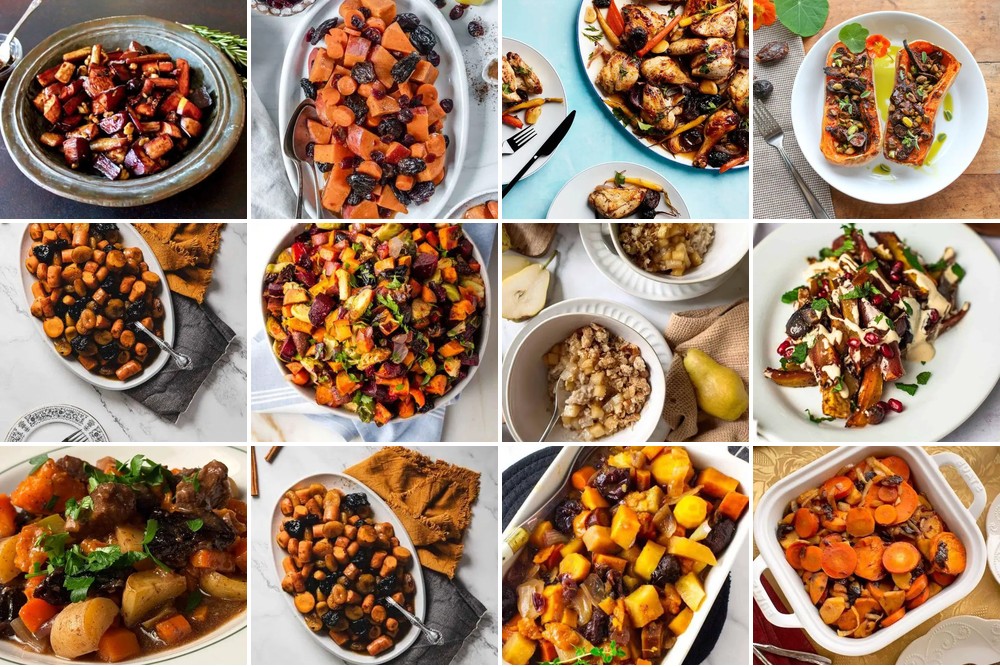
At its core, tzimmes is a traditional Ashkenazi Jewish stew, a beautiful marriage of earthy root vegetables and plump, sweet dried fruits. Imagine tender, glossy chunks of carrots and sweet potatoes, slow-baked until caramelized, mingling with the chewiness of prunes and raisins. A subtle whisper of honey or a delicate blend of warm spices often completes this harmonious profile, creating a side dish that's both hearty and surprisingly elegant. It’s the kind of food that fills your kitchen with an inviting aroma and your soul with nostalgic comfort.
The beauty of a classic tzimmes lies in its balanced flavor profile. The natural sugars in the carrots and sweet potatoes, intensified by slow cooking, are perfectly complemented by the concentrated sweetness of the dried fruits. This isn't cloying sweetness, but rather a deep, nuanced flavor that enhances savory main courses without overpowering them. It’s this sweet-savory dynamic that makes it such an enduring family favorite and a perfect accompaniment to dishes like brisket or potato kugel. Moreover, one of the best parts about any great
tzimmes recipe is its forgiving nature. It’s incredibly adaptable, hard to mess up, and only seems to get better with time, making it a stress-reducing addition to any meal plan.
Beyond the Holidays: Tzimmes for Every Table
While its place on holiday tables is undeniable, the concept of tzimmes as an "all-season" dish is gaining well-deserved recognition. Why reserve such a nutritious and delicious side for just a couple of times a year? This sweet-savory vegetable side can elevate a weeknight dinner or bring a unique touch to a weekend brunch.
Consider pairing a simple, chunky tzimmes with roasted chicken, grilled fish, or even a robust lentil loaf for a vegetarian main. Its vibrant color and comforting texture add depth and interest to any plate. For a refreshing twist in warmer months, you might lean into versions that incorporate brighter elements like apples or pineapple, moving away from the heavier root vegetables and towards lighter, fruit-forward profiles.
Nutritionally, tzimmes is a powerhouse. Carrots are packed with beta-carotene, sweet potatoes offer a wealth of vitamins and fiber, and dried fruits contribute natural sugars, antioxidants, and digestive health benefits. Incorporating a healthy tzimmes recipe into your regular rotation means adding a delicious and wholesome vegetable dish that appeals to nearly everyone, including picky eaters often drawn to its sweetness. It’s an effortless way to boost your vegetable intake while enjoying a truly comforting meal.
Customizing Your Tzimmes: Endless Possibilities
One of the most exciting aspects of tzimmes is its boundless potential for customization. While the classic carrot and sweet potato combination is beloved, there are endless ways to adapt a tzimmes recipe to suit your taste, pantry, and the season.
*
Vary the Vegetables: Don't stop at carrots and sweet potatoes. Experiment with parsnips, butternut squash, turnip, or even pumpkin for different textures and flavor nuances. Some traditional recipes even included meat, usually beef, in the stew for a heartier meal.
*
Explore Dried Fruits: Beyond prunes and raisins, consider dried apricots, cranberries, figs, or even dates. Canned pineapple chunks are a surprisingly popular addition in some families, adding a tangy sweetness and a delightful texture.
*
Sweeteners & Liquids: While honey is classic, maple syrup or brown sugar can also be used. For the braising liquid, orange juice adds a bright, citrusy note (as seen in some fuss-free versions), while vegetable broth can create a more savory base. A splash of apple cider can also introduce a lovely autumnal flavor.
*
Spice It Up: Cinnamon is a staple, but don't shy away from a pinch of ginger, nutmeg, allspice, or even a touch of cardamom for an exotic flair.
*
Add-Ins: A handful of toasted nuts like pecans or walnuts can provide a delightful crunch. A sprinkle of fresh citrus zest (orange or lemon) stirred in at the end can brighten the entire dish, and a garnish of fresh parsley offers a pop of color and herbaceous freshness.
Whether you prefer your tzimmes chunky and rustic or mashed into a smooth casserole, the beauty lies in making it your own. And for those who appreciate convenience, remember that an
easy make-ahead tzimmes recipe is a true gift. It holds up wonderfully in the fridge for several days and freezes beautifully for longer storage, ensuring you always have a delicious, comforting side ready to go.
Making "A Big Tzimmes" (Without the Fuss)
The word "tzimmes" itself has an amusing origin. In Yiddish, "to make a big tzimmes about something" essentially means to make a fuss. Ironically, while traditional preparations might involve some "potchkying around" – chopping, boiling, peeling, mixing, and baking – many modern
tzimmes recipes aim to keep things delightfully fuss-free.
The charm of preparing tzimmes doesn't have to equate to stress. Here are some tips to streamline the process:
*
Prep Ahead: Chop your vegetables a day in advance. Store them in airtight containers in the refrigerator.
*
Batch Cooking: Tzimmes is a fantastic dish for batch cooking. Make a double batch and enjoy it throughout the week or freeze portions for future meals.
*
Cooking Methods: While slow baking in the oven is classic for that glossy, tender finish, stovetop versions can be quicker. For ultimate convenience, a slow cooker tzimmes recipe can yield incredibly tender results with minimal hands-on time, allowing the flavors to meld beautifully.
*
Reheating: Tzimmes reheats beautifully, whether gently warmed on the stovetop or in the oven, making it an ideal candidate for meal prep. Its flavors often deepen and improve after a day or two, making it a perfect dish to prepare ahead of time for any occasion.
From its humble origins in the _shtetls_ of Russia, where ancestors used whatever vegetables were on hand, tzimmes has evolved while maintaining its comforting essence. It's a testament to simple ingredients transformed into something extraordinary.
Conclusion
Tzimmes is far more than just a holiday side dish; it's a testament to the power of simple ingredients, comforting flavors, and culinary adaptability. Its nostalgic charm, nutritional benefits, and incredible versatility make a strong case for its presence on your table throughout the year. Whether you adhere to a classic
tzimmes recipe or venture into creative variations, this sweet-savory stew promises to be a satisfying, heartwarming addition to any meal. So go ahead, make a "big tzimmes" in your kitchen – you'll be delighted by the comforting, flavorful reward.